Electrical Safety Hazards Every Homeowner Should Know
Flickering lights and warm outlets aren't normal. We'll walk you through the warning signs that need immediate attention and explain why electrical safety matters for your home and family.
Why Electrical Safety Matters in Your Home
Electrical problems don't announce themselves. You might notice something small — a flickering light, an outlet that's warm to the touch, or a circuit breaker that trips frequently — and think it's nothing serious. The truth is, these are warning signs. Electrical hazards can lead to fires, shocks, and property damage. We've spent nearly two decades responding to electrical emergencies in Klaipėda homes, and we've seen how quickly minor issues become major problems.
Most homeowners don't realize that electrical safety is something they can understand. You don't need to be an electrician to spot potential hazards. Once you know what to look for, you'll feel more confident about your home's electrical system and know when it's time to call a professional.
Outlets and Switches That Show Red Flags
Your outlets and switches are the interface between your electrical system and the devices you use every day. When something's wrong here, it's usually visible.
A warm or hot outlet is one of the most obvious danger signs. If you touch an outlet and it feels hot, stop using it immediately. This usually means there's too much current flowing through that outlet, or there's poor contact inside. This generates heat, and heat near electrical connections can cause fires. Don't wait to see if it goes away — it won't.
Discolored outlets or switches — yellowing, browning, or blackening around the outlet — indicate electrical arcing or burning inside. This is serious. Arcing creates heat and can ignite nearby materials. We've seen fires start exactly this way. The outlet looks bad from the outside because there's damage on the inside.
Loose outlets that wiggle when you plug something in are also problematic. A loose connection means electricity doesn't flow smoothly — it creates resistance, which creates heat. Plus, a loose outlet makes poor contact with your plug, which can cause sparking inside the outlet itself. You won't always see the spark, but it's happening.
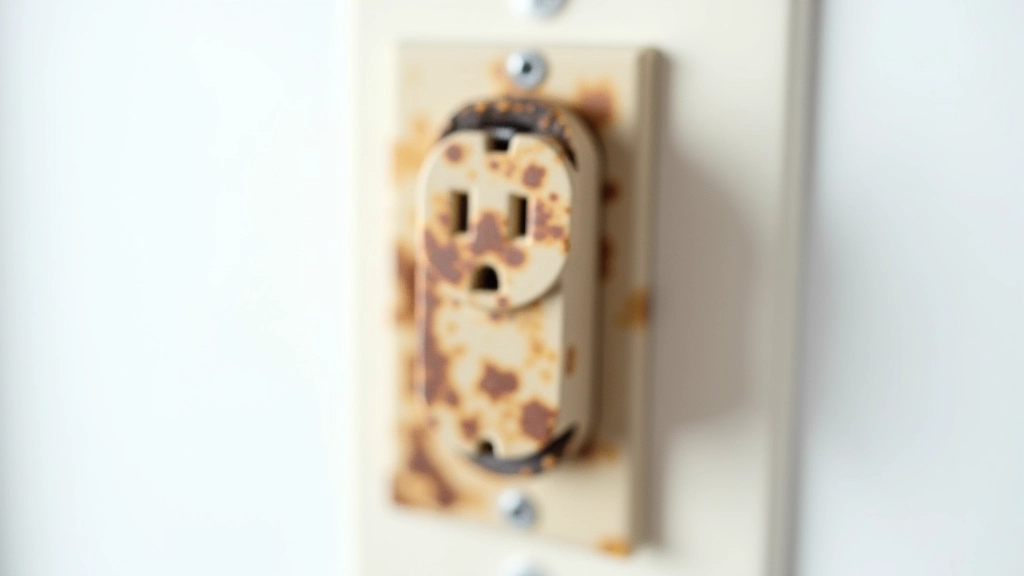
Most electrical fires in homes start with something small that goes unnoticed. The outlets and switches you see every day are your early warning system — if they look wrong, they probably are wrong.
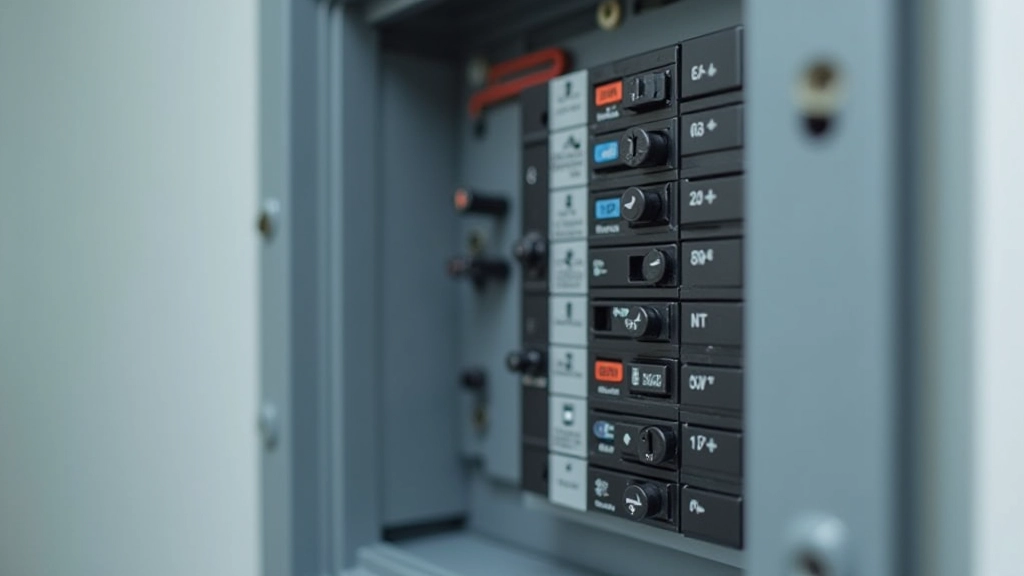
Circuit Breakers and Flickering Lights
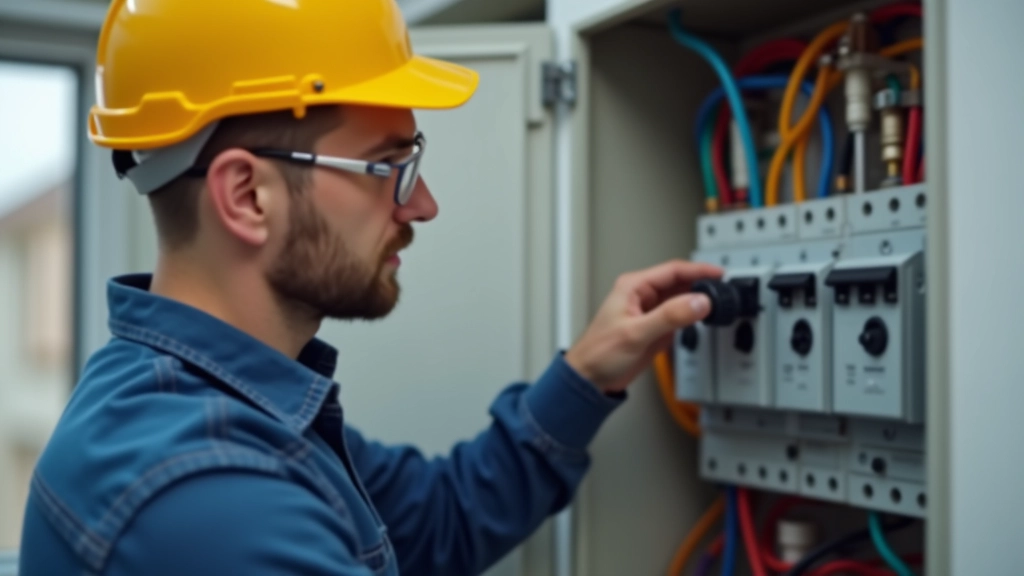
Your circuit breaker panel is the heart of your home's electrical system. If you've never looked inside your breaker box, now's a good time to familiarize yourself with it. Circuit breakers protect your home by cutting power to a circuit when something goes wrong. That's their job, and they're good at it.
But a breaker that trips frequently is telling you something. It might trip because you're overloading that circuit — too many devices drawing power at once. Or it might be tripping because there's an actual problem: a short circuit, a ground fault, or water damage. You can't tell which one without testing.
Flickering lights are another signal to pay attention to. A single light flickering might just be a loose bulb. But if lights flicker throughout your home, especially when you turn on certain appliances like your air conditioner or electric heater, there's usually an underlying issue. This could be a loose connection somewhere in your system, an overloaded circuit, or failing equipment.
We don't recommend you open your breaker box yourself unless you're trained. But you should know where it is and what it looks like. If you're seeing frequent tripping or widespread flickering, that's the time to call an electrician.
Water Damage and Moisture in Electrical Areas
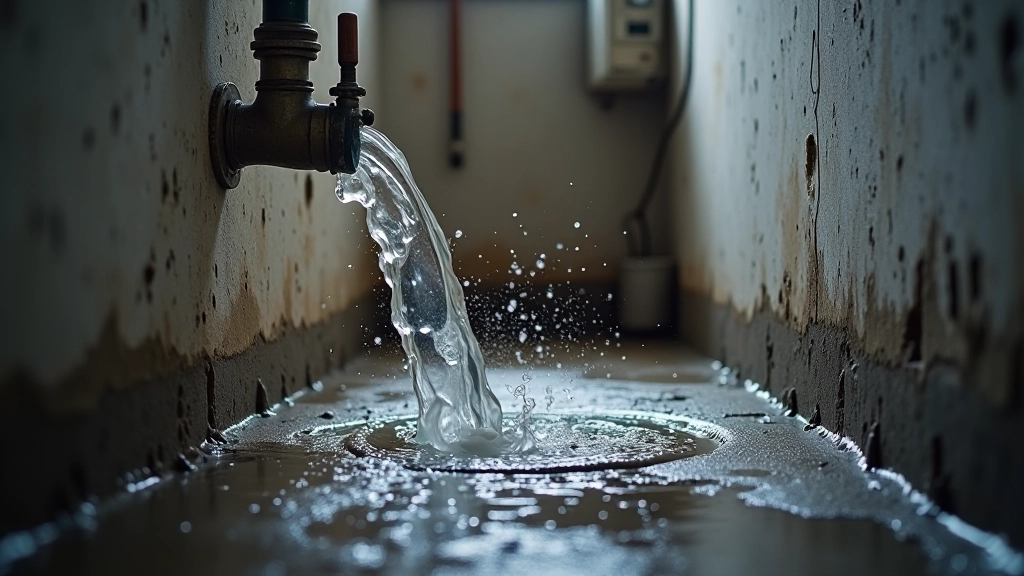
Water and electricity don't mix — everyone knows that. But what people don't always realize is that water damage to electrical systems doesn't have to be dramatic. It doesn't require a basement flood. A slowly leaking pipe above an outlet, condensation in an attic, or water seeping into a wall can all cause electrical damage over time.
If you've had any water damage in your home — from a roof leak, burst pipe, or flooding — the electrical system in that area needs to be checked. Water creates rust and corrosion in electrical connections. It also reduces the resistance of materials, which means electricity can flow where it shouldn't.
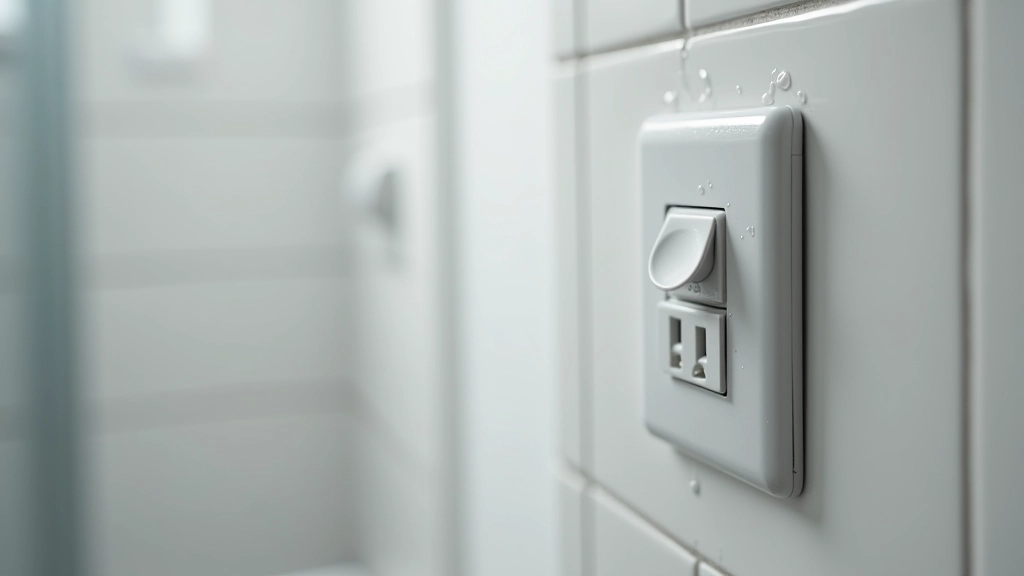
Pay special attention to outlets in bathrooms, kitchens, and basements. These areas are prone to moisture. Ground fault circuit interrupter (GFCI) outlets are installed in these locations specifically because water is a risk. If a GFCI outlet keeps tripping, it's detecting a ground fault — usually caused by moisture. This is the outlet doing its job, but it's also a sign that water is present somewhere nearby.
Visible corrosion on electrical components, white or green deposits on connections, or a musty smell near electrical areas all warrant professional inspection.
Other Hazards to Watch For
Damaged or Exposed Wiring
Wiring that's frayed, cut, or exposed is a shock hazard. If you see wiring that's not properly protected, don't touch it. This is especially important if you have pets or children who might come into contact with it.
Burning Smells Near Outlets
A burning smell near an outlet or electrical panel is a red alert. This usually means electrical components are overheating. Stop using that outlet immediately and call a professional the same day.
Overloaded Power Strips
Plugging high-power devices (space heaters, microwaves, air conditioners) into power strips causes them to overheat. These devices need direct outlet connections, not extension cords or power strips.
Aluminum Wiring Issues
Homes built in the 1960s-70s sometimes have aluminum wiring instead of copper. Aluminum wiring is more prone to corrosion and overheating. If your home has aluminum wiring, it should be professionally inspected.
Old or Outdated Systems
Electrical systems designed 30-40 years ago weren't built for today's power demands. Old panels, outdated wiring, and insufficient circuits are common hazards in older homes.
Damaged Outlet Covers
A cracked or missing outlet cover exposes live electrical contacts. This is a shock hazard, especially in homes with children. Replace damaged covers immediately — they're inexpensive and easy to install.
What You Can Do Right Now
You don't need to be an electrician to improve your home's electrical safety. Start with these practical steps today.
- Walk through your home and look for warning signs. Touch your outlets (carefully — just with your fingertip). Do any feel warm? Look at outlets and switches. Do you see discoloration, burn marks, or damage? Check for any burning smells near electrical areas.
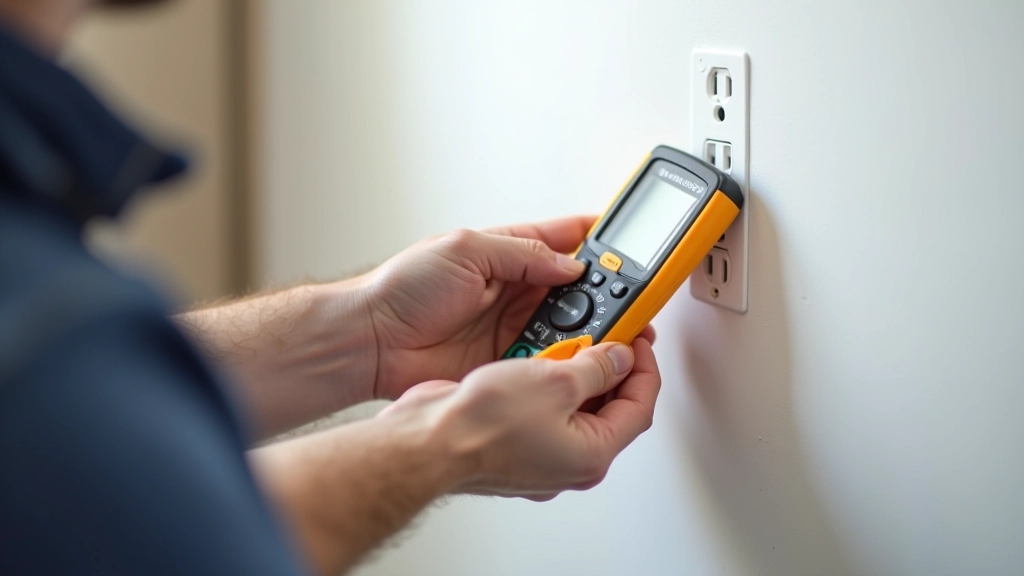
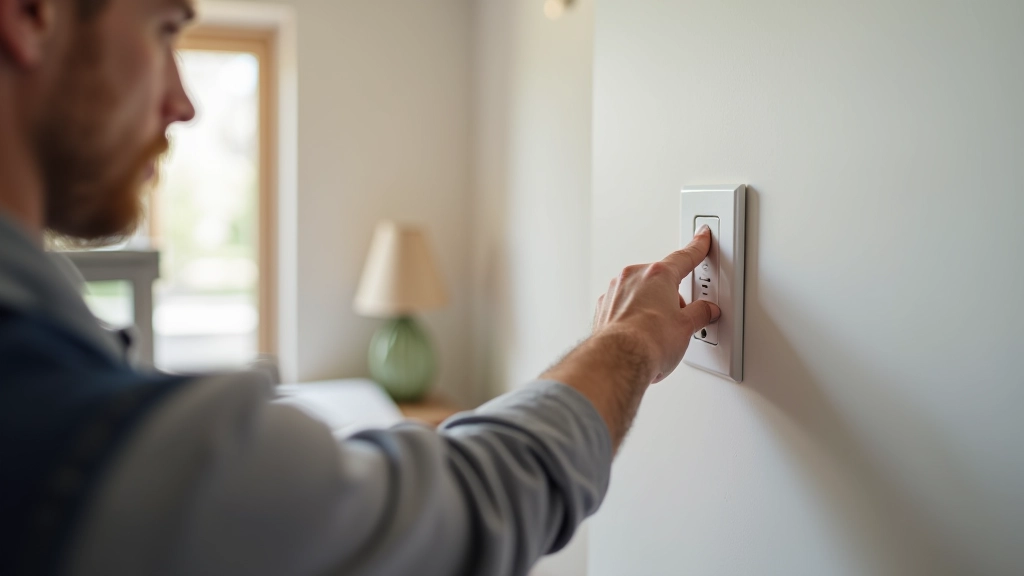
- Test GFCI outlets in bathrooms and kitchens. Press the "Test" button — the outlet should immediately shut off power. Then press "Reset" to restore power. If it doesn't work, have it replaced.
- Avoid overloading circuits. If a breaker trips when you use a certain appliance, don't use that appliance on that circuit. Use a different outlet on a different circuit instead.
- Keep water away from electrical areas. Don't place outlets near water sources. If you have water damage, get the electrical system inspected before using affected areas.
- Schedule a professional electrical inspection. If your home is older than 30 years, or if you've noticed any warning signs, get a certified electrician to evaluate your system. They'll identify hazards you might miss.
When to Call a Professional
Here's the bottom line: if you're unsure about anything electrical in your home, call an electrician. The cost of a professional inspection is minimal compared to the cost of electrical damage, injuries, or property loss from fires.
You should definitely call immediately if you notice any of these:
- Warm, hot, or discolored outlets or switches
- Burning smells near electrical components
- Frequently tripping breakers
- Flickering lights throughout your home
- Exposed or damaged wiring
- Any electrical problem after water damage
- Sparks or buzzing sounds from outlets or panels
We're available for same-day emergency electrical repairs in Klaipėda. If you've noticed any of these warning signs, don't wait — contact us today. We'll inspect your system, identify the hazards, and fix them properly.
Disclaimer
This article provides educational information about electrical hazards in residential homes. It's not a substitute for professional electrical inspection or repair. Electrical systems are dangerous — high-voltage components can cause serious injury or death. Never attempt to repair electrical systems yourself unless you're a licensed electrician. If you suspect an electrical hazard, contact a qualified professional immediately. Circumstances vary by home, location, and electrical code — always consult with a certified electrician about your specific situation.

Related Articles