
What Happens During an Electrical System Inspection
We check your circuit breaker, outlets, and wiring. Find out what our technicians look for and why regular checks prevent emergencies.
Electrical problems aren't always obvious. You might not realize something's wrong until a breaker trips or a socket gets warm to the touch. That's why we recommend regular inspections — they catch issues before they become dangerous or expensive.
An electrical system inspection isn't just a quick walk-through. It's a thorough check of every major component in your home's electrical setup. Our technicians test everything from your main panel down to individual outlets. We're looking for safety hazards, code violations, and potential failures that could leave you without power or worse.
The Main Components We Check
Every inspection covers the same core areas, but we adapt based on your home's age and condition. Older homes often have more issues — wiring degrades over time, and building codes have changed significantly.
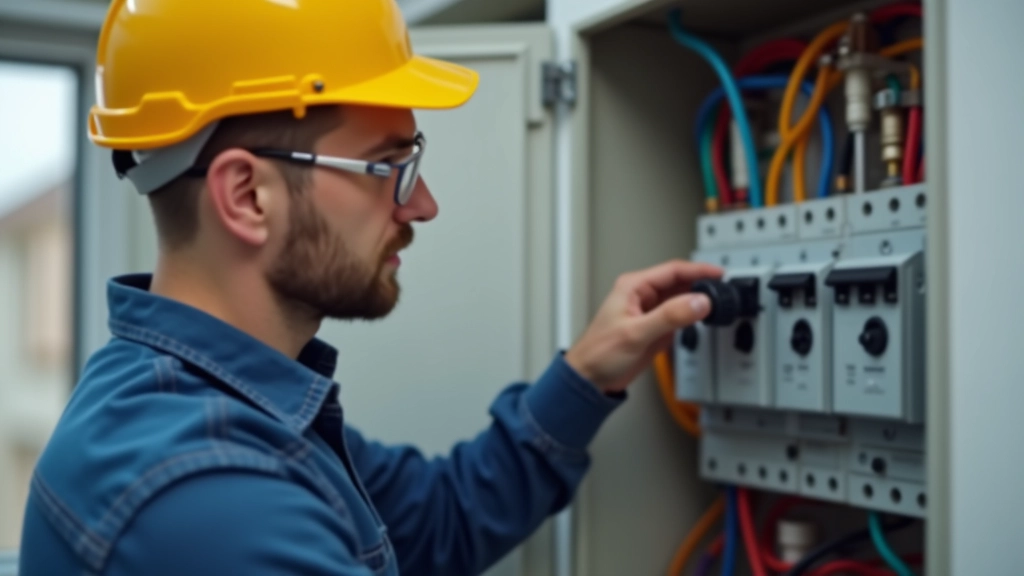
The circuit breaker panel is the nerve center of your electrical system. We examine the breakers themselves, looking for signs of overheating, corrosion, or damage. We test to make sure they trip properly under load. A faulty breaker won't protect you if there's an overload — it might just let dangerous current flow through.
We also check your grounding system. That's the copper rod or plate buried outside your home that protects you during electrical faults. If grounding isn't working, a lightning strike or electrical surge can cause serious injury or fire. It's invisible but absolutely critical.

Outlets, Switches, and Visible Wiring
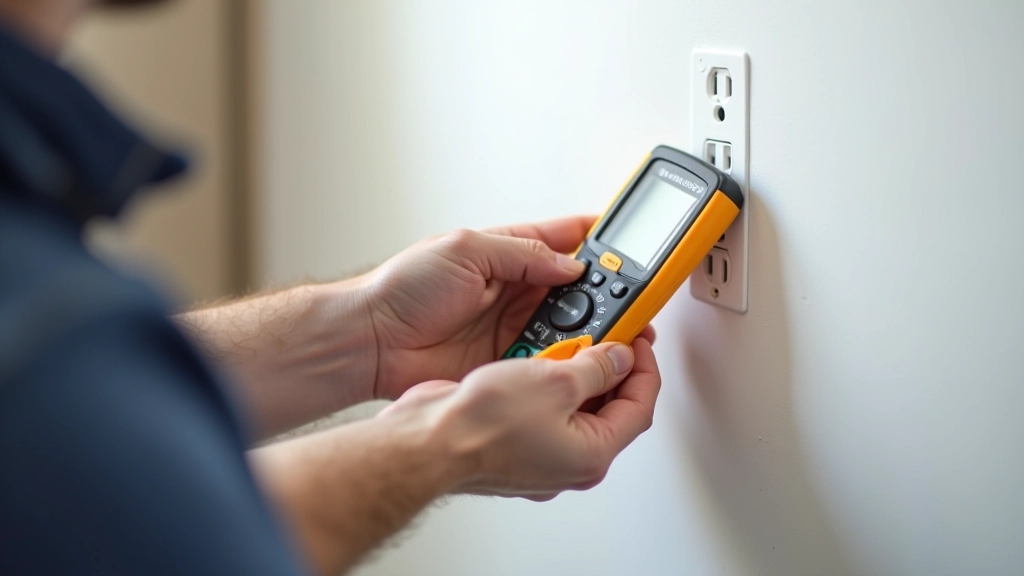
We test every outlet we can access — living room, kitchen, bedrooms, bathrooms. Each one gets checked with a outlet tester. We're looking for reversed polarity (when hot and neutral are switched), missing ground connections, and inadequate voltage.
In kitchens and bathrooms, we verify that GFCI outlets are installed and functioning. These are the outlets with the little reset buttons. They're designed to cut power instantly if water gets involved — they can literally save your life. We push the test button to make sure they trip properly.
We also inspect visible wiring in basements, attics, and crawl spaces. Rodents chew through wire insulation. Age and heat cause insulation to crack and peel away. We look for any exposed copper where there shouldn't be any. We check that wires are properly secured and not hanging loose where they could get damaged.
What We're Actually Looking For
Overloaded Circuits
Too many outlets on one circuit causes breakers to trip constantly. It's annoying but it's also your system protecting you. We identify which circuits are overloaded and recommend solutions.
Fire Hazards
Loose connections generate heat. Deteriorated insulation exposes live conductors. Old aluminum wiring is notorious for overheating at connections. Any of these can start a fire without warning.
Shock Hazards
Missing grounding, reversed polarity, and damaged outlets create serious shock risk. We test to ensure protective systems are in place and working.
Code Violations
Electrical codes change every few years. We identify where your system doesn't meet current standards. Many violations aren't just outdated — they're unsafe.
How an Inspection Typically Works
1
Visual Assessment
We start by looking at your main panel and tracing visible wiring. We note any obvious damage, rust, corrosion, or signs of previous repairs. We check that the panel is properly labeled — every breaker should be clearly marked.
2
Outlet Testing
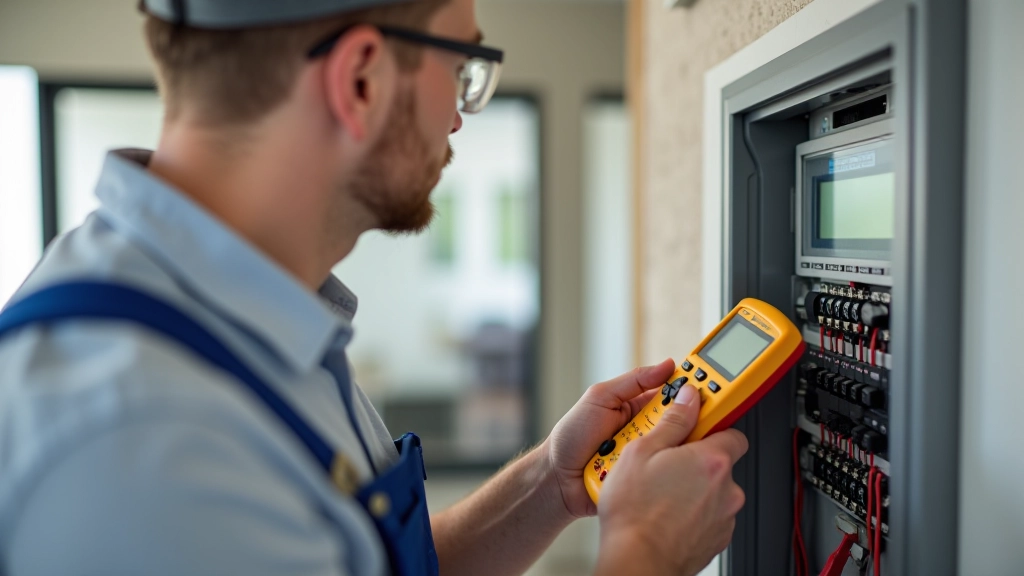
We use a three-outlet tester at every accessible outlet. Takes maybe 10 seconds per outlet but it reveals a lot. Voltage, polarity, grounding — all tested. We make notes of any that fail.
3
Load Testing
We test breakers under load to make sure they trip when they should. A breaker that doesn't respond to overload is useless — it won't protect your home. This is a critical test that most people never think about.
4
Grounding Verification
We test your main grounding electrode and bonding connections. Proper grounding is non-negotiable for safety. We check continuity and resistance to ensure the system will work when needed.
5
Documentation
We photograph problem areas and create a detailed report. You get a list of issues found, what they mean, and what needs to be done. Some items are urgent. Others can wait but shouldn't be ignored.
Common Issues We Find
In homes built before the 1980s, we often find aluminum wiring. It's cheaper than copper and was used extensively, but aluminum expands and contracts with temperature changes. This creates loose connections that overheat. Aluminum also oxidizes, creating corrosion that increases resistance. We flag this immediately because it's a genuine fire hazard.
Two-prong outlets are everywhere in older homes. These don't have grounding. Appliances with three-prong plugs get adapted with cheap converters that don't actually provide grounding. We recommend upgrading to three-prong GFCI outlets where possible. It's not expensive and it's much safer.
Backstabbed connections are another common problem. Electricians sometimes push wire into the back of outlets instead of wrapping them around the terminal screws. This creates a weak connection that can loosen over time. Proper connections use the screw terminals on the side of the outlet.

Disclaimer
This article is for informational purposes only. It's not a substitute for professional electrical inspection or advice. Electrical work can be dangerous — high voltage injuries are serious and often fatal. If you suspect electrical problems, don't attempt repairs yourself. Always contact a qualified, licensed electrician. Conditions vary by location, home age, and previous work done. Our technicians provide inspections tailored to your specific situation.