Signs Your Pipes Need Immediate Attention
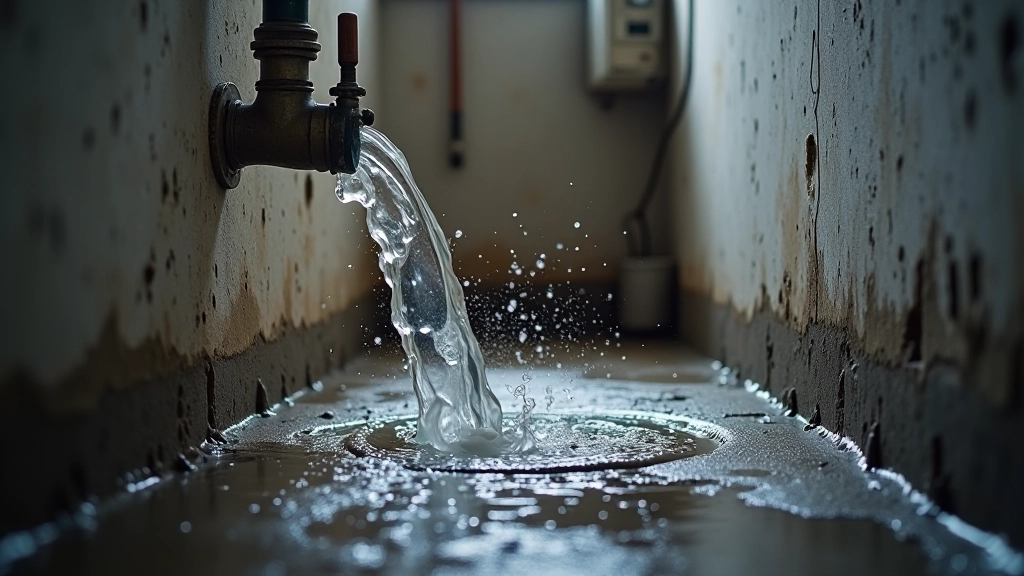
Strange noises, slow drains, and discolored water are red flags. Here's what each symptom means and why you shouldn't wait.
Why Early Detection Matters
Your plumbing system sends warning signals before it fails completely. We've responded to thousands of emergency calls in Klaipėda, and the pattern's always the same: homeowners notice something's off but wait too long to get it checked.
The difference between a quick repair and a catastrophic leak? Usually just a few days. When you catch problems early, we can fix them before water damage spreads through your walls and floors. That means less disruption, lower costs, and peace of mind.
Here's what you're looking for. If you recognize any of these signs, don't put off calling a plumber — we can usually schedule same-day inspections.
3
Hours is the average time before a small leak becomes a visible problem in adjacent rooms
40%
Of water damage claims could've been prevented with early pipe inspection
1. Strange Sounds Coming From Your Walls
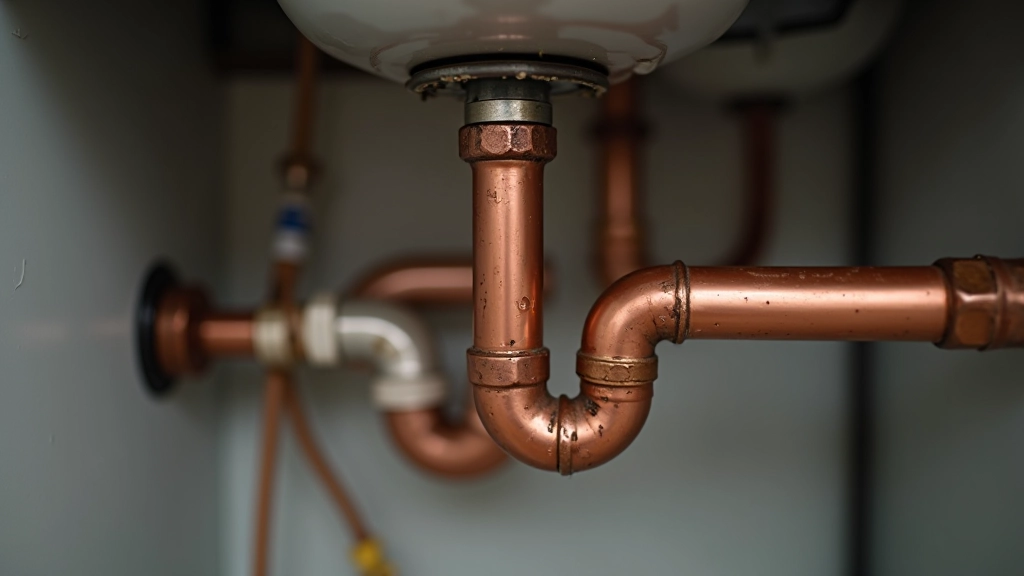
Listen for rattling, banging, or high-pitched whistling sounds when you turn on a tap. These noises usually mean water is hitting debris inside the pipes or pressure is building up abnormally. It's not just annoying — it's your plumbing system struggling.
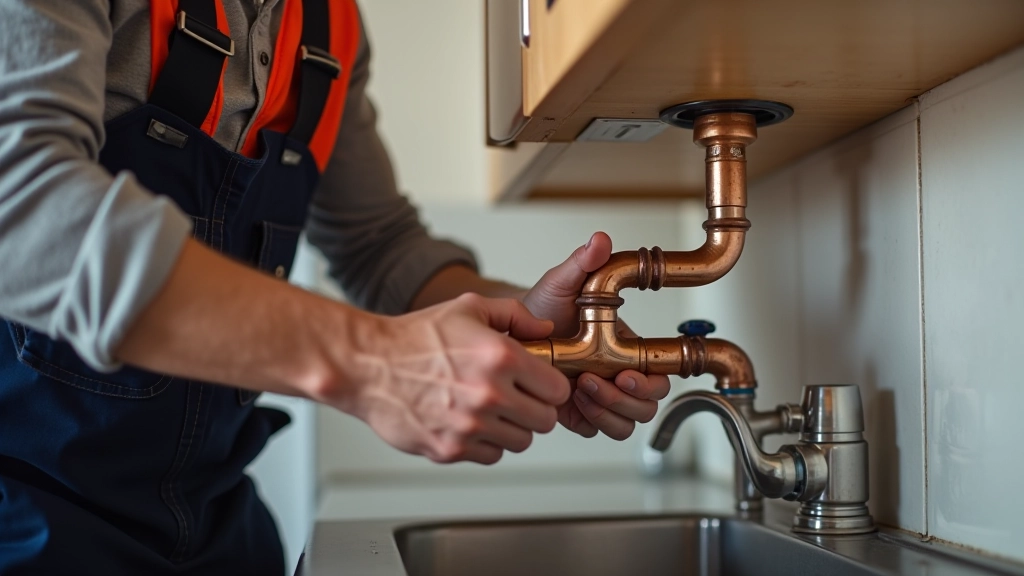
Copper pipes especially make noise when they're under stress. If you're hearing water hammer — that distinctive bang when you shut off a faucet suddenly — there's likely a pressure issue. Sometimes it's a faulty valve. Sometimes it's sediment buildup restricting water flow.
The key: these sounds are consistent, not occasional. If it happens every time you use hot water or fill the bathtub, get it inspected. We can identify whether it's a minor fix or the sign of larger pipe damage.
2. Discolored or Cloudy Water
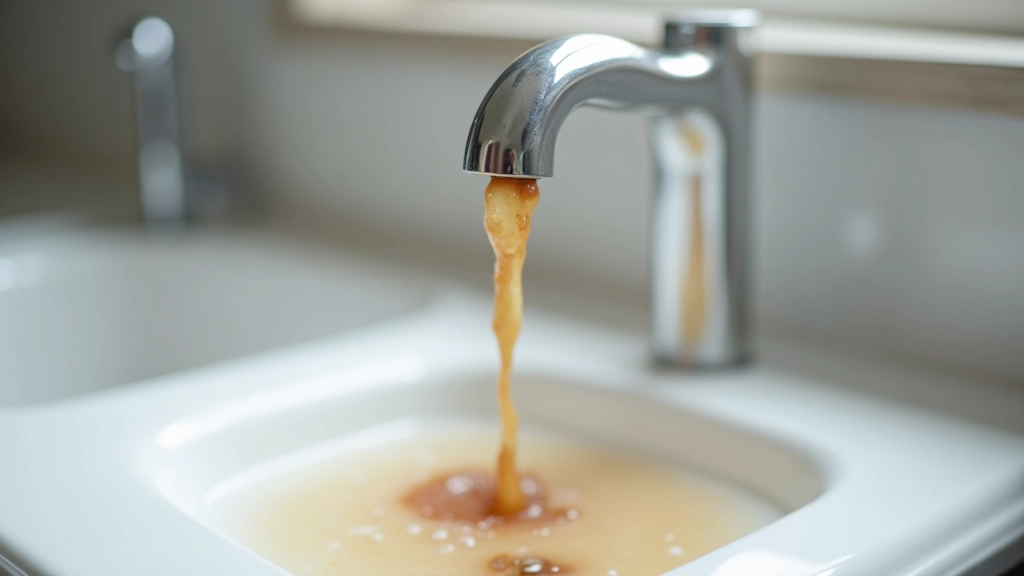
Brown, red, or rusty water coming from your tap? That's rust flaking off the inside of aging pipes. It's not just unpleasant to look at — it means the pipe walls are corroding from the inside out. You're not just seeing rust particles. You're seeing the beginning of a pipe failure.
If it's only the hot water that's discolored, the problem's likely in your water heater. Cold water discoloration points to main line issues. Either way, it's not something to ignore. Corroded pipes become brittle and eventually rupture.
We've found that once discoloration appears, homeowners usually have 6-12 months before significant leaks develop. That's your window to act. A professional inspection can show you exactly how much corrosion is happening and whether you need immediate replacement or can schedule it strategically.
3. Slow Drains Getting Worse
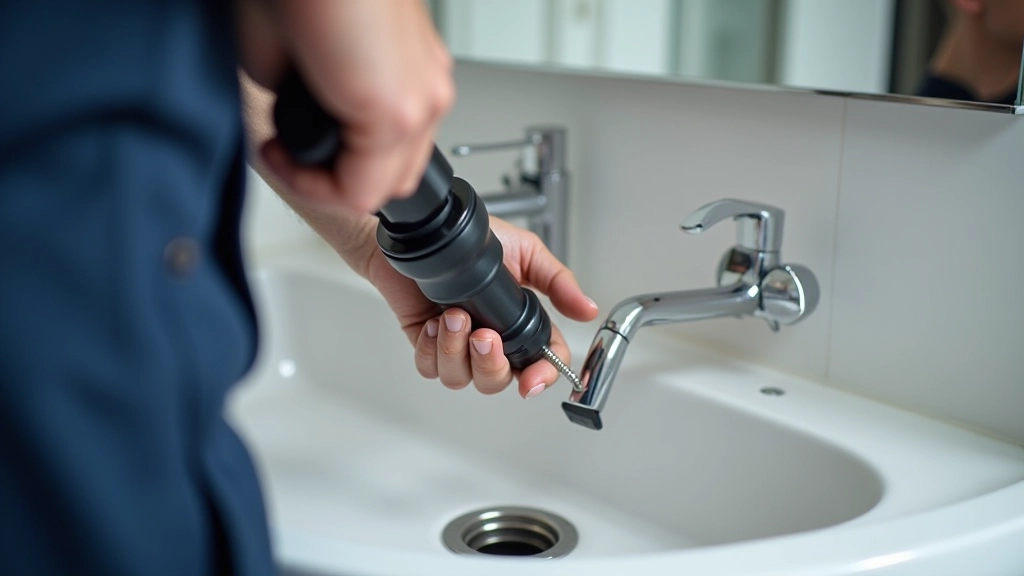
One slow drain is probably just a clog. But when multiple drains throughout your house are draining slowly, you've got a problem deeper in your system. This usually means blockage or damage in your main sewer line or lateral pipe.
Pay attention to timing. Does the bathtub drain slowly while the kitchen sink backs up? That's often a sign of a damaged or misaligned pipe section. Are all your drains sluggish at the same time? That's typically a main line issue.
Don't reach for chemical drain cleaners if you suspect pipe damage. Those can actually make things worse by eating through deteriorating pipe walls. Get a camera inspection done. We can see exactly where the blockage or damage is and recommend the right fix — whether it's a simple cleaning or more extensive repair.
4. Visible Water Damage or Wet Spots
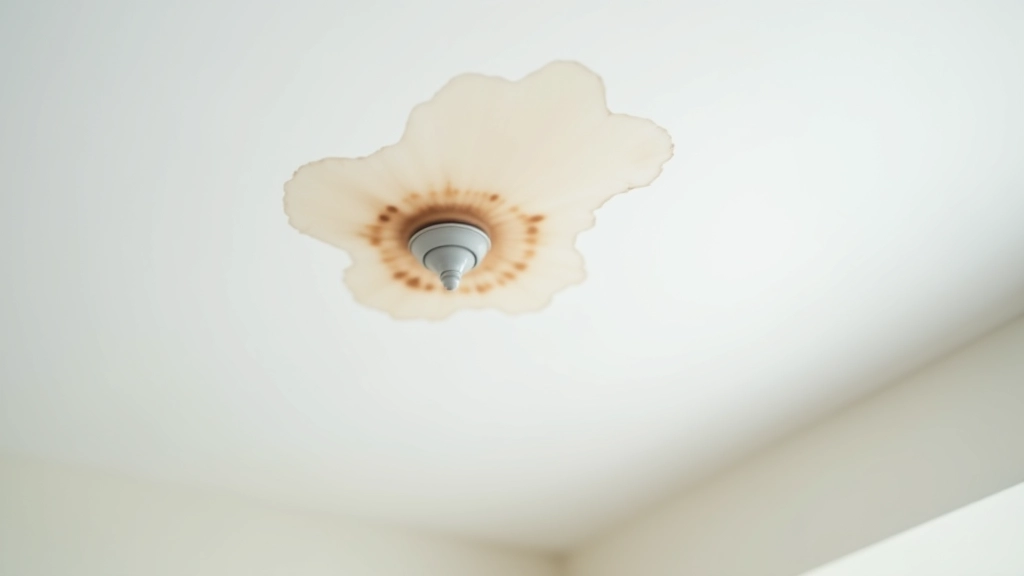
Water stains on ceilings or walls aren't decorative features — they're proof that water's been flowing where it shouldn't. Soft spots in drywall, peeling paint, or mold spots mean pipes behind your walls are leaking.
The tricky part: by the time you see visible damage, the leak's been running for a while. Water travels and pools in cavities, spreading the damage faster than you'd expect. A small pinhole leak can cause thousands of pounds of water damage if it goes unnoticed for weeks.
If you spot water damage, call immediately. Don't wait to see if it gets worse. We can locate the leak source with thermal imaging and acoustic detection, then repair or replace the affected section before structural damage becomes permanent.
5. Sudden Changes in Water Pressure
If your shower suddenly goes from strong to weak, or pressure fluctuates randomly, something's blocking or damaging your pipes. It could be mineral buildup, a failing valve, or actual pipe deterioration.
Pay attention to whether it's all outlets or just one. A single faucet losing pressure? Could be a localized clog. All fixtures weak? That's likely a main line problem or failing water meter.
Don't ignore gradual pressure loss either. Sometimes it develops slowly over months as sediment accumulates. By the time it's really noticeable, you've got significant buildup inside the pipes. A pressure gauge check takes five minutes and tells us exactly what's happening.
Normal Pressure Range
Healthy residential water pressure is 40-80 PSI. Below 40 PSI means restricted flow. Above 80 PSI creates stress on pipe joints and connections. If you're outside this range, it's worth investigating.
6. Sewage or Musty Odors
Foul smells coming from drains usually mean sewer gases are escaping. This happens when drain traps dry out, vents are blocked, or sewer lines have cracks. It's not just unpleasant — it indicates your drainage system isn't working properly.
Musty, moldy odors often accompany hidden leaks. When water sits in walls or under floors, mold grows quickly. You'll smell it before you see it. Trust your nose — if something smells off, there's probably water damage developing.
We recommend having the system checked if odors persist for more than a few days. It could be something simple like a dried trap, or it could be a cracked sewer line that needs serious attention.
What To Do When You Spot These Signs
1
Document What You're Seeing
Take photos of any visible damage, note when you first noticed the problem, and record which fixtures are affected. This information helps us diagnose faster.
2
Check Your Water Meter
Turn off all water sources, then look at your meter. If it's still running, you've got an active leak somewhere. This tells us the urgency level.
3
Call for Inspection
Don't wait. We offer same-day inspections for suspected pipe damage. A camera inspection or pressure test costs far less than water damage repair.

The Bottom Line
Your pipes will tell you when they're in trouble. Strange sounds, discolored water, slow drains, visible leaks, pressure changes, and bad smells are all legitimate warnings. None of them are normal, and none of them get better on their own.
The homeowners we help most successfully are the ones who call at the first sign of trouble. Early detection means smaller repairs, less water damage, and a functioning system you can count on. If you're noticing any of these signs, don't put it off. We're here to help, and we're usually available same-day in Klaipėda.
Disclaimer
This article provides informational guidance about common pipe problems and warning signs. It's not a substitute for professional plumbing inspection and diagnosis. Every plumbing system is unique, and what applies to one home may not apply to another. Always consult with a licensed plumber before attempting repairs or making decisions about your water and sewer systems. If you suspect a serious leak or damage, contact a professional immediately to prevent further damage.
Related Articles